Van Cleef & Arpels: how a four-leaf clover became a brand language
A look at Van Cleef & Arpels: poetry instead of advertising, one symbol for decades, and a technique that became a legend.
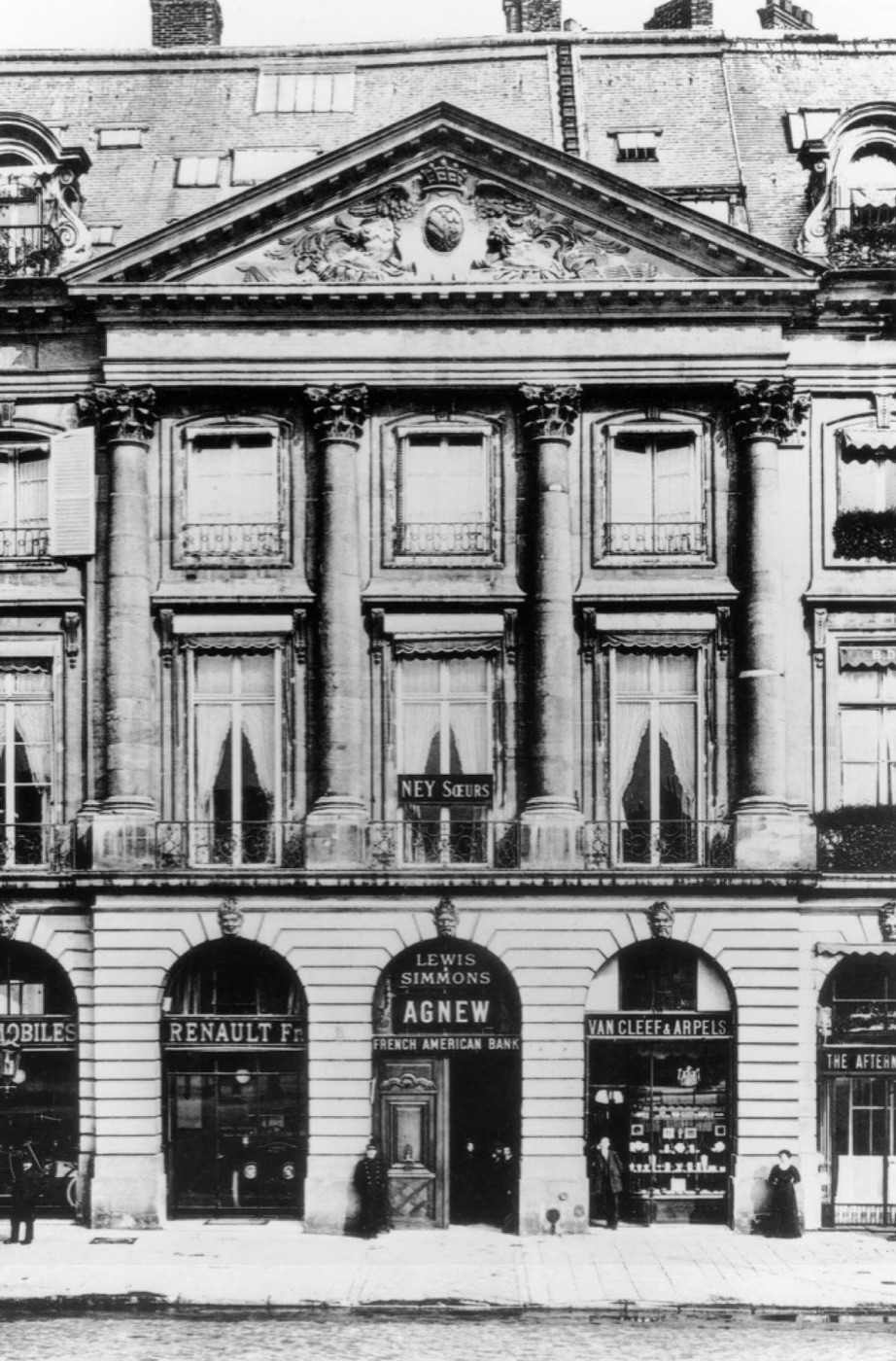
The house’s story begins with a family. In 1895 Estelle Arpels married Alfred Van Cleef, the son of a stone cutter, and in 1906 Van Cleef & Arpels opened a boutique at 22 Place Vendôme in Paris. The address has never changed, and that is part of the brand too.
What makes the brand strong
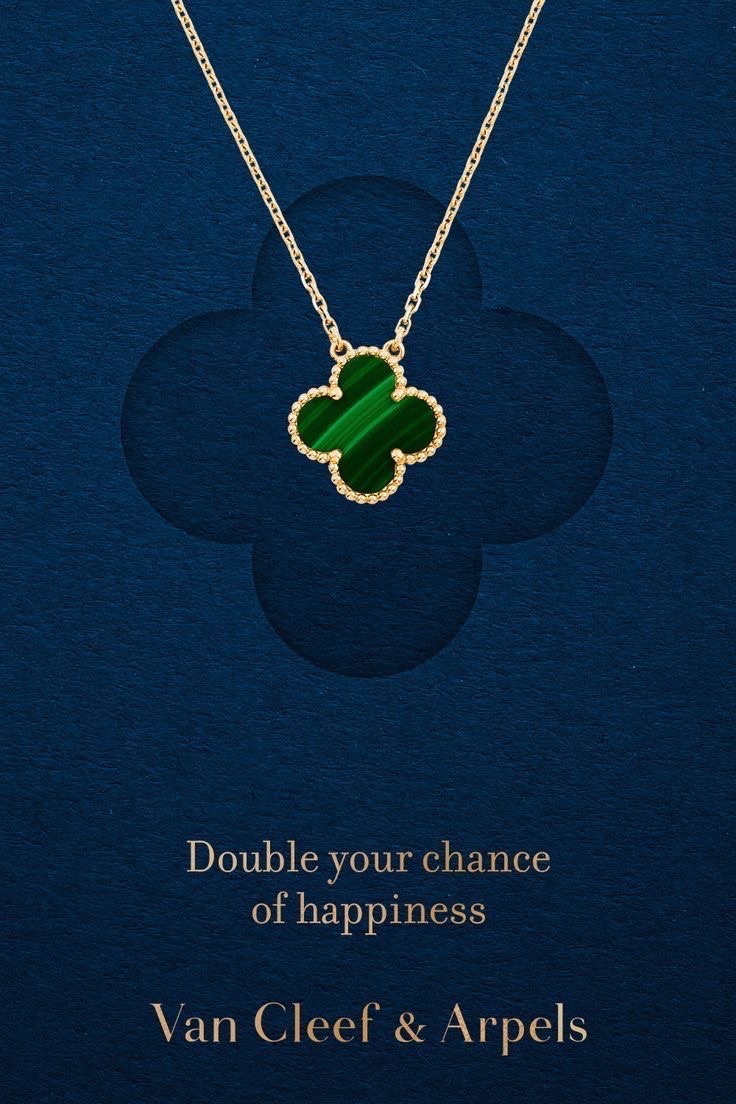
One symbol for decades. In 1968 the house launched the Alhambra collection. Its motif is inspired by the quatrefoils of the Alhambra palace in Granada, and the clover itself is a symbol of luck. More than half a century later the silhouette is recognised at a glance. The brand does not change its sign every season; it repeats it until the sign becomes a word.
Craft as legend. In 1933 the house patented the Mystery Set technique, which holds stones so that no metal is visible. A single piece can take hundreds of hours. A story like that sells better than any slogan, because people want to retell it.
Emotion, not price. Van Cleef & Arpels speak of love, luck, nature and poetry. People buy a piece not as an object but as a talisman and a meaningful gift.
Nature as a stage
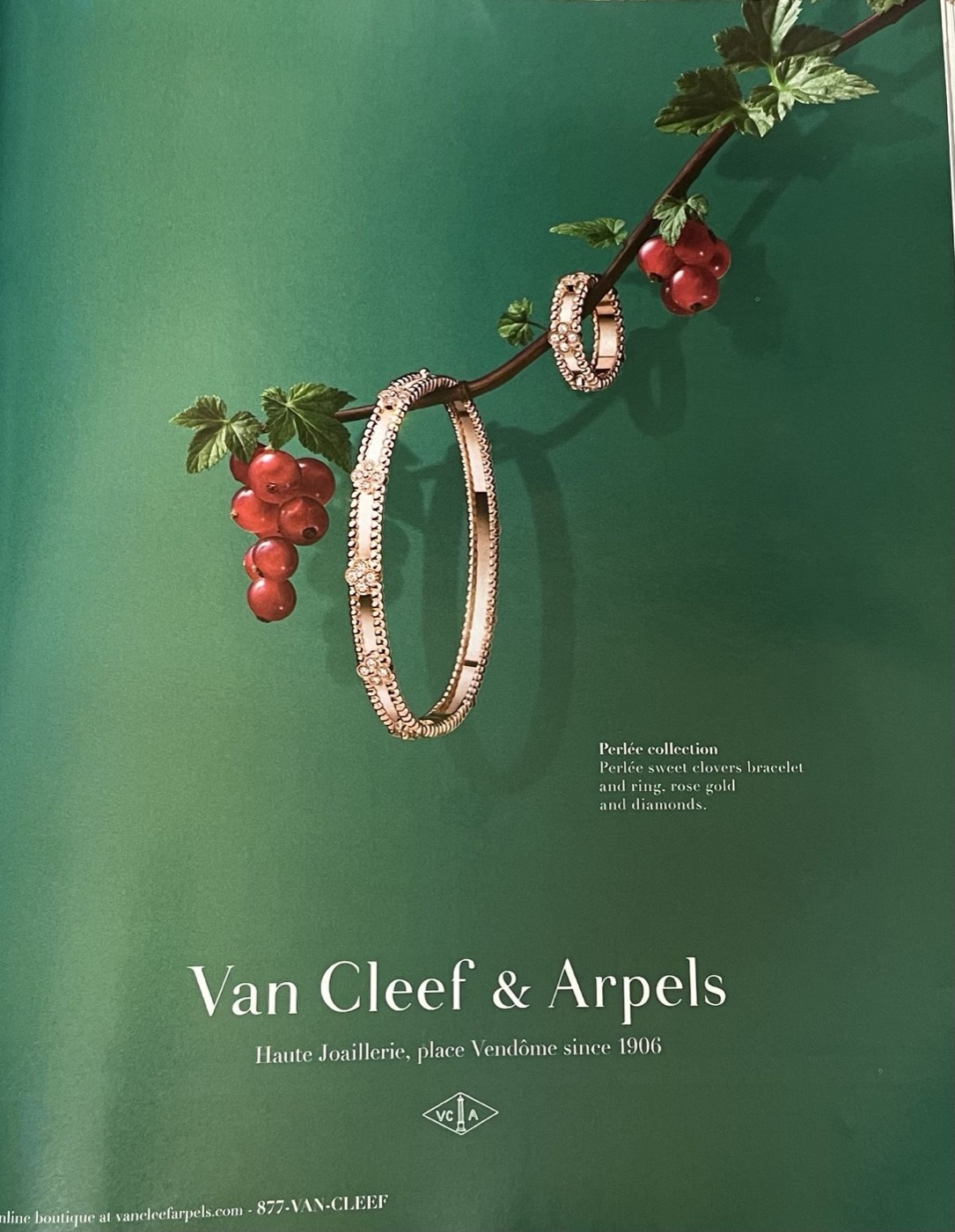
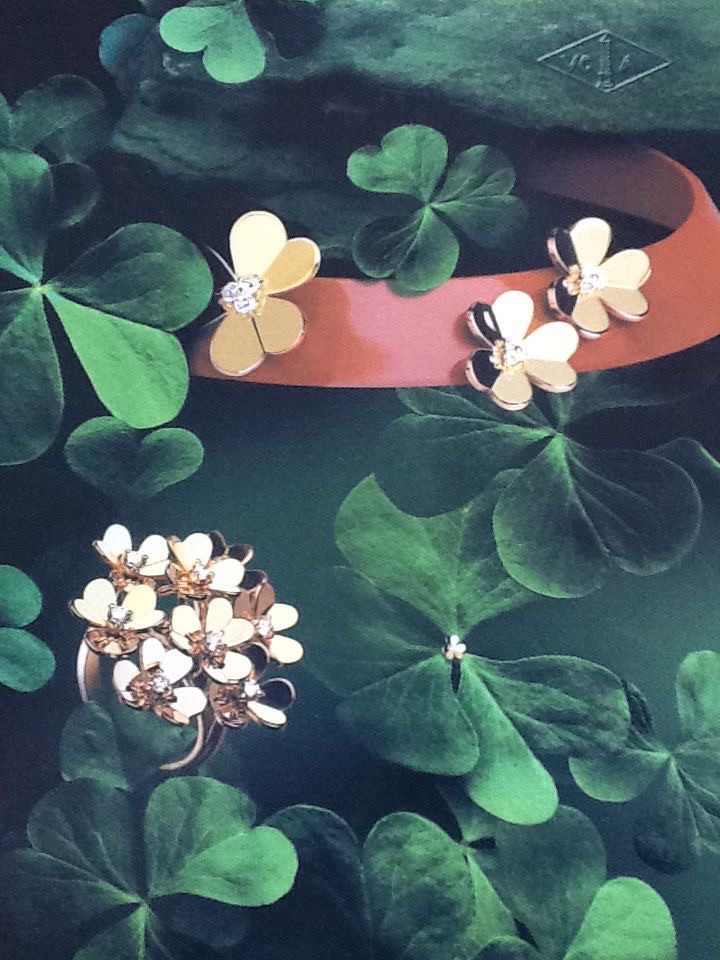
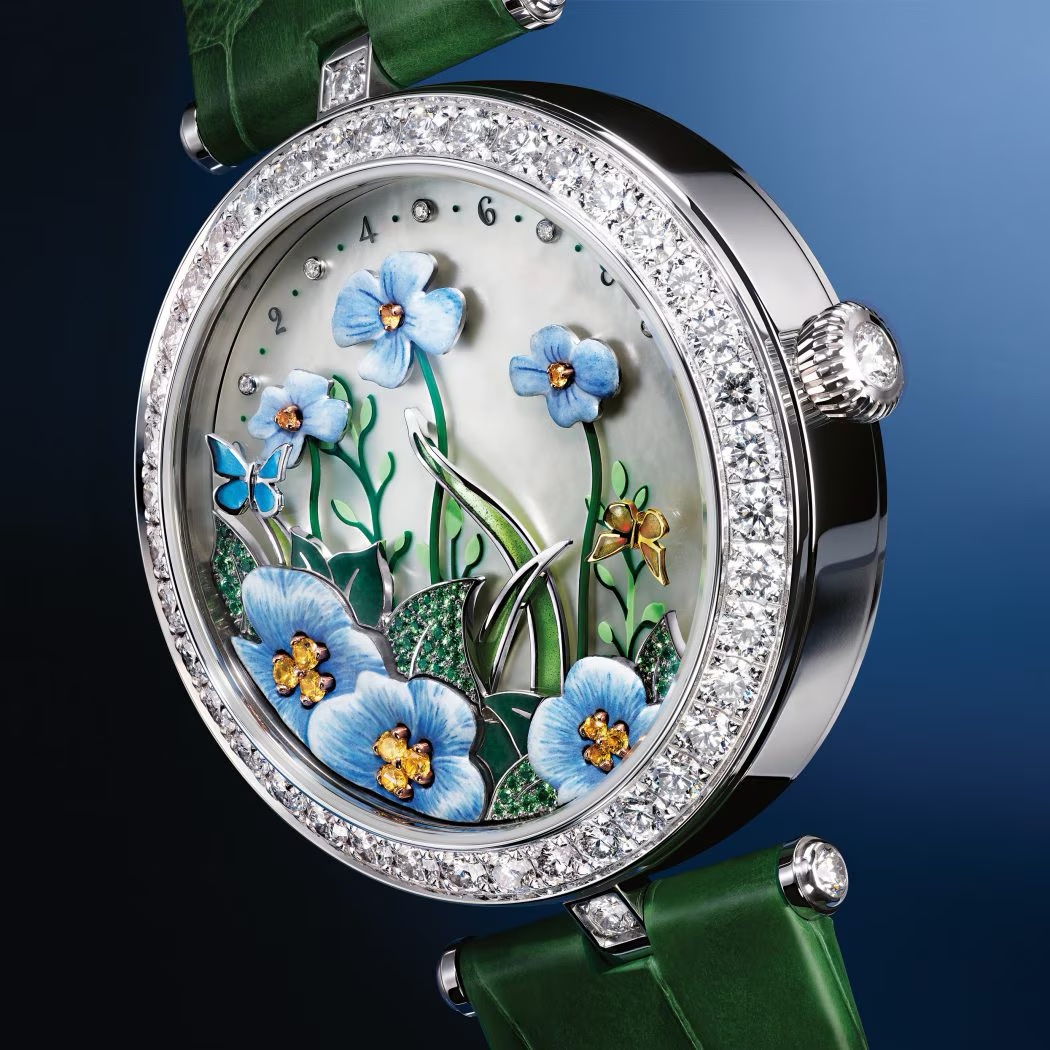
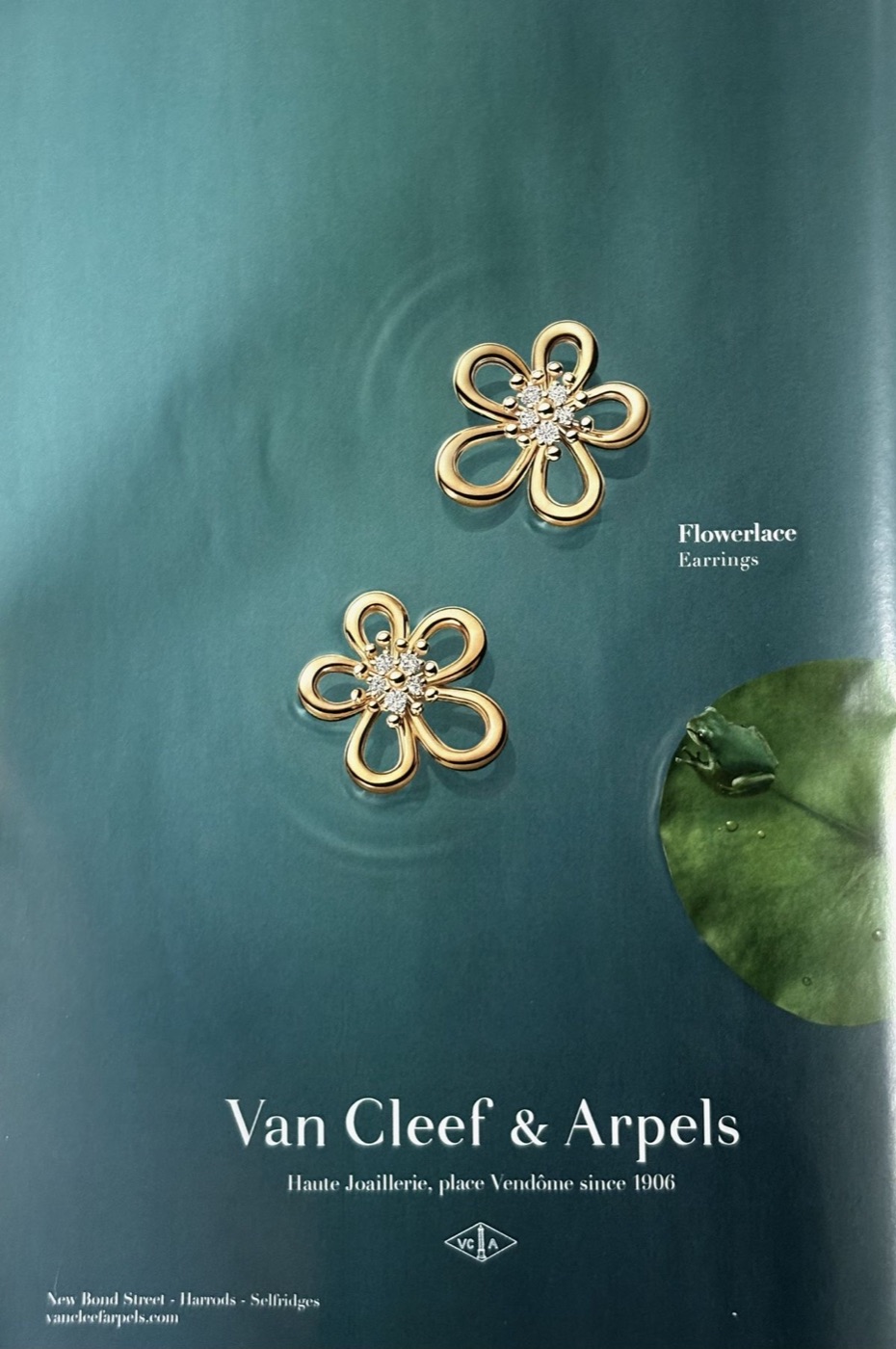
Look at the house’s advertising: jewels hang on a redcurrant branch, float on water beside a lily pad, sit next to a parrot. No models, no interiors, only nature and a single object. This visual world has stayed the same for years, which is why a Van Cleef & Arpels ad is recognisable even without the logo.
What to take for your business
- Find your symbol and repeat it for years: on packaging, in posts, in your space. Recognition comes from repetition.
- Tell the story of your craft. If your coffee is roasted by hand, that is your Mystery Set.
- Sell meaning. Not “20% off”, but “a gift that brings luck”.
A strong brand does not shout. It repeats one thing beautifully, year after year.
Images belong to Van Cleef & Arpels and are shown as illustrations for this review.